
Cantonese cooking has a reputation for getting out of the way. The best Cantonese kitchens don’t mask their ingredients with heavy sauces or aggressive spice. They steam, they braise, they let the fish or the dumpling wrapper do the work. Finding a Cantonese restaurant Jeddah diners can trust to follow that discipline is worth the search.
Toki, a MICHELIN Guide selected restaurant in Jeddah, has been cooking Cantonese and Szechuan food since 2008. The Cantonese side of the menu is where restraint lives: steamed fish, hand-pleated dumplings, and rice noodle rolls that rely on technique over spectacle. Here are five dishes that show what that means on a plate.
Cantonese Steamed Najel: the quiet centrepiece
The Cantonese Steamed Najel is the dish that reveals whether a kitchen takes Cantonese cooking seriously. A whole local Najel fish, steamed with ginger and light soy, finished with scallions. No batter. No complex sauce. The fish arrives at the table glistening, and the flesh pulls away clean from the bone.
This is Cantonese cooking at its most stripped-back. The technique is simple and the margin for error is zero. If the fish isn’t fresh, or the steaming time is off by even a minute, you’ll taste it immediately. At Toki, the Najel is one of those dishes that regulars order without opening the menu.
Peking Duck, carved at the table
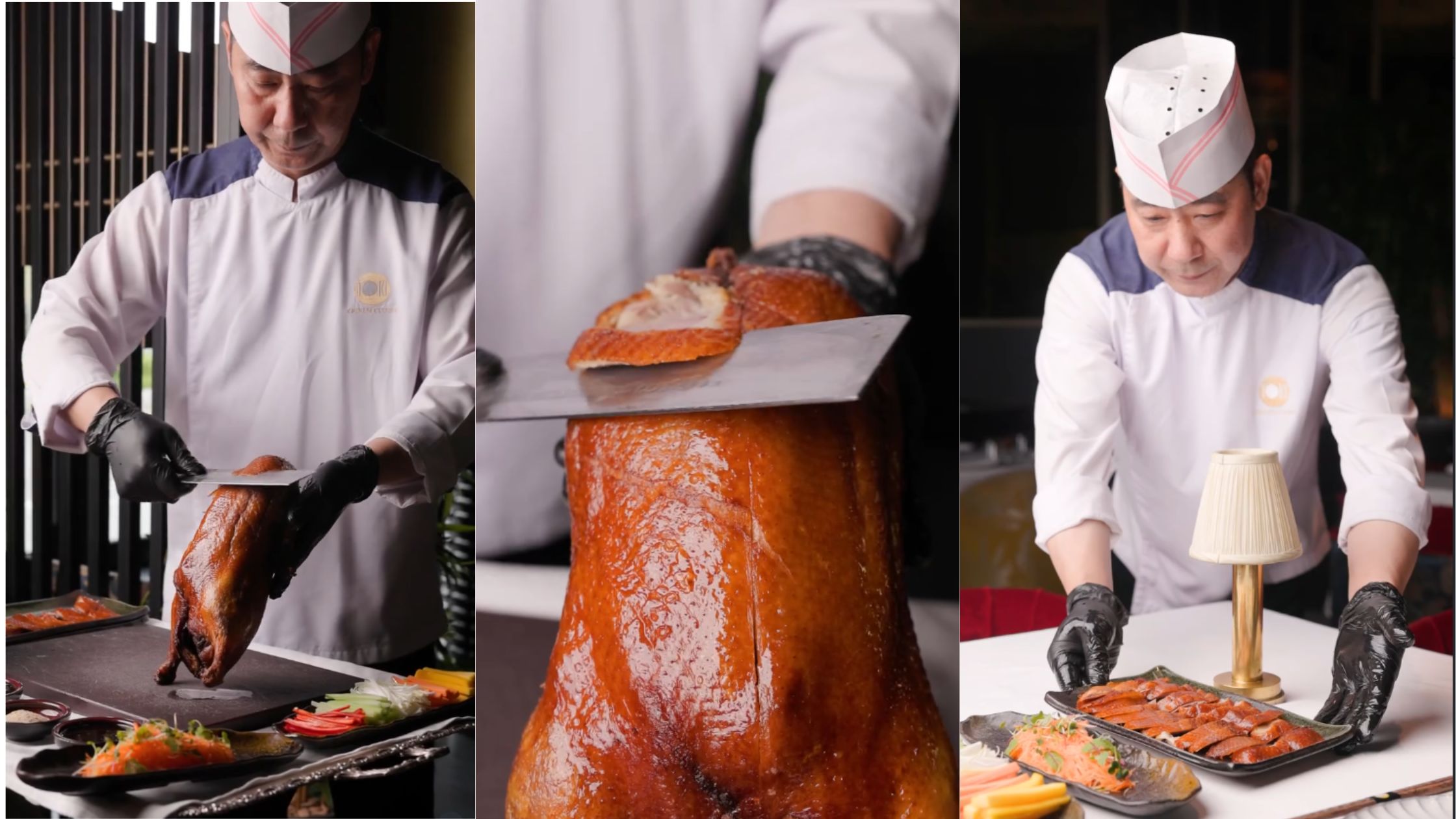
Peking Duck requires days of preparation before it reaches the dining room. The skin is air-dried, glazed, and roasted until it cracks like glass. At Toki, the duck is carved tableside: thin slices of lacquered skin and tender meat, served with steamed pancakes, julienned cucumber, scallions, and hoisin sauce.
The table builds each bite by hand. Spreading hoisin on a warm pancake, layering duck and cucumber, rolling it tight. That ritual is part of why the dish works as a centrepiece for groups and couples alike. If you’re visiting a Cantonese restaurant Jeddah has to offer for a special occasion, Peking Duck is the dish that turns dinner into an event.
Three dim sum dishes worth ordering first
Dim sum is the Cantonese tradition of small, shared plates designed to arrive in waves across the table. At Toki, the dim sum menu runs deep enough to fill an entire meal, but three items stand out for a first visit:
- Crystal Shrimp: Translucent wheat starch wrappers, filled with whole shrimp and Chinese water chestnut. This is the dish dim sum kitchens are judged by. If the skin tears or the shrimp tastes flat, nothing else on the menu matters.
- Xiao Long Bao: Guang Zhou style chicken dumplings with a light spicy sauce. They require a bit of care to eat and naturally spark conversation at the table.
- Angus Beef Dumpling: Filled with black garlic, these are richer and more savoury than the shrimp or chicken options. A strong choice for anyone who wants something bolder from the dim sum menu.
What a Cantonese restaurant Jeddah should get right
Cantonese food is built around the table, not the individual plate. Dishes arrive in the centre. Everyone reaches across. The steamed fish sits next to the duck, the dim sum baskets circulate until they’re empty, and nobody orders their own entree in silence.
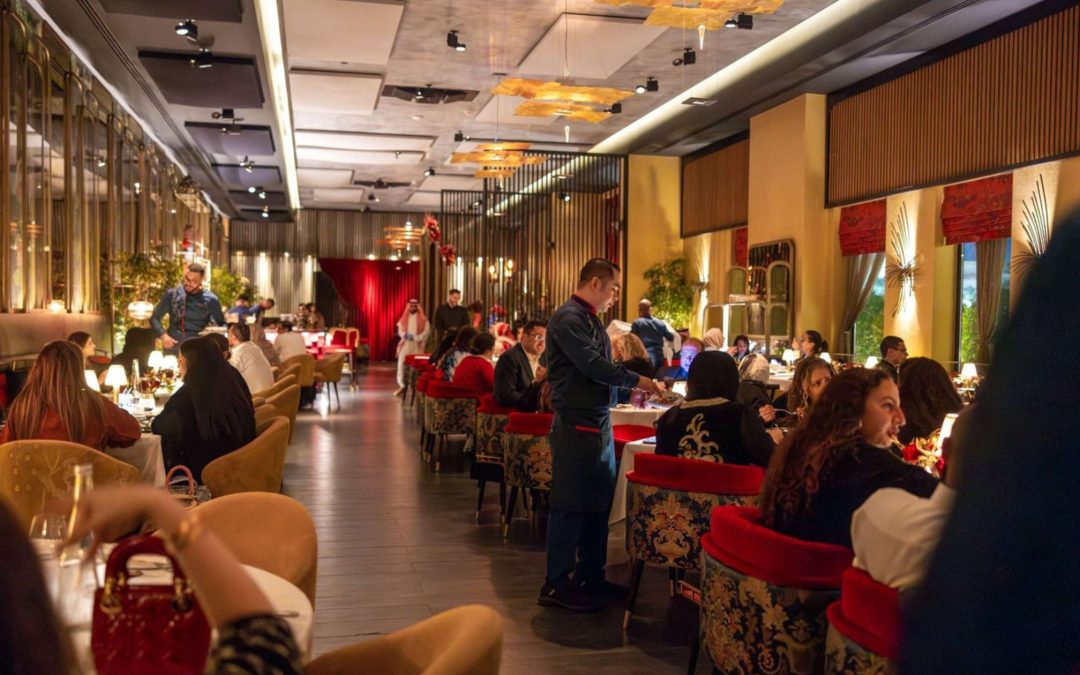
That format suits Jeddah, where family meals and group gatherings are how most people prefer to eat. At Toki, you can pair the lighter Cantonese dishes with bolder Szechuan options from the same menu, so the table covers everything from steamed Najel to Crispy Szechuan Angus Beef. The dining room itself — an “art-deco Shanghai-inspired space,” as the MICHELIN Guide describes it — holds whether the table seats two or ten.
A good Cantonese restaurant Jeddah diners return to will always start with the ingredients. Steamed Najel, Crystal Shrimp, tableside Peking Duck: these dishes don’t hide behind complexity. They work because the kitchen respects what’s on the plate. Start with the Najel and a round of dim sum. Most people add the duck by their second visit.