When the inaugural MICHELIN Guide Saudi Arabia unveiled its selection across three announcements in late 2025, it did something no guide had ever done before in the Kingdom: it set an official benchmark for what exceptional dining in Saudi Arabia actually looks like.
Toki made that list.
Understanding what that means — not as a marketing claim, but as a measurable standard — tells you a great deal about what kind of restaurant you are walking into.
How the MICHELIN Guide Works
The MICHELIN Guide Saudi Arabia 2026 is the first edition ever published for the Kingdom, covering 52 restaurants across Riyadh, Jeddah, and AlUla. Among Jeddah’s 14 selected establishments, Toki earned its place as a recommended restaurant — evaluated by anonymous inspectors using the same five criteria applied to every restaurant in the guide, from Paris to Tokyo: quality of ingredients, mastery of cooking, harmony of flavours, the personality of the chef through the cuisine, and consistency both over time and across the entire menu.
That last criterion — consistency over time — is the one most restaurants fail. Anyone can have a great night. Delivering the same standard across every service, every season, is the harder discipline. For a restaurant like Toki, where the Szechuan Crispy Duck, the Xiao Long Bao, and the tableside Peking Duck carving each demand precise execution every single time, consistency is not a virtue. It is a necessity.
What the Inspector Actually Said
MICHELIN inspectors dine anonymously, pay for their own meals, and visit multiple times before reaching a verdict. Their published note on Toki reads as an accurate portrait of what guests actually experience — not promotional language, but observed reality.
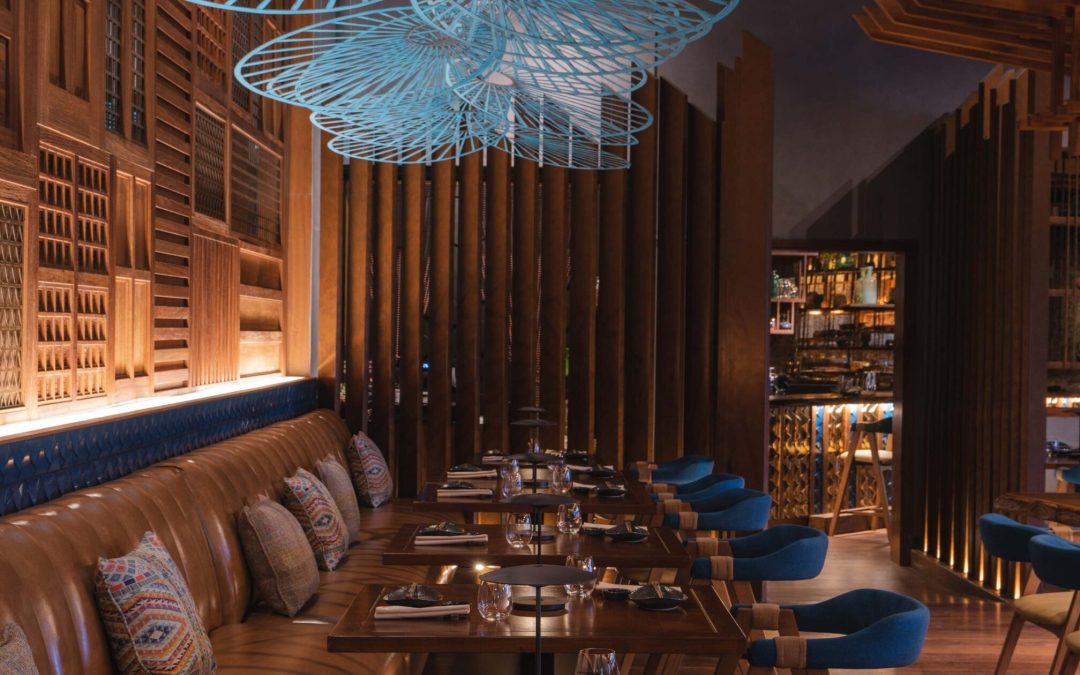
The inspector noted the “sultry vibe” of the art deco-Shanghai space immediately upon arrival, followed by the mocktail bar, soft lighting, and the energy the room carries. They highlighted the “super attentive and very friendly team” who guide guests through an extensive menu spanning Peking and Cantonese classics and dim sum specialities. The lunch menu and the mocktail programme each received specific praise. The final call: a great spot for a romantic evening.
For anyone weighing how to choose an elegant dinner spot in Jeddah, that inspector note functions as a credible shortcut. It reflects a standard built on multiple anonymous visits — not a single exceptional night arranged in advance.
Chef Peter Lau Chee Wei and the Kitchen Behind the Guide
The MICHELIN criteria for the chef’s personality expressed through the cuisine is not about celebrity. It is about whether a restaurant has a culinary identity — a clear point of view that can be tasted in the food. At Toki, Chef Peter Lau Chee Wei provides that identity: a menu rooted in Cantonese and Szechuan technique, elevated with ingredients like wagyu, black cod, caviar, and foie gras, and adapted with precision for a halal kitchen without sacrificing authenticity.
This is precisely what defines fine dining Chinese in Jeddah — and why that definition requires both technical mastery and a coherent culinary philosophy, not just a premium price point.
What MICHELIN Recognition Means for You
The MICHELIN Guide does not tell you a restaurant is perfect. It tells you a restaurant is worth your attention — that inspectors found consistent quality, clear identity, and an experience that justifies the visit. In a city where dining options expand constantly, that signal matters.
Toki’s place in the inaugural guide is a statement about where Jeddah’s dining scene has arrived. As the complete guide to fine dining Chinese in Jeddah makes clear, it is also a statement about what is now possible for Chinese cuisine in this city specifically — halal-certified, regionally authentic, and measured against global standards.