
Fine dining is a term that gets misused constantly. A branded restaurant with high prices and dark lighting is not fine dining. Portion sizes on oversized plates are not fine dining. Fine dining, in any cuisine, is defined by a specific convergence: the quality of ingredients, the mastery of technique, the intelligence of service, and an atmosphere that makes the occasion feel genuinely special.
For Chinese cuisine in Jeddah, meeting that standard comes with its own set of demands — and understanding what those demands are helps you recognise the real thing when you find it.
Technique Comes Before Everything
The first marker of fine dining Chinese is technical precision — and it is visible in ways most diners never consciously register. Look at the dim sum. At Toki, the Crystal Shrimp Har Gao arrives with a wrapper so thin you can see the pink shrimp folded inside, yet it holds together cleanly when lifted with chopsticks. That is not luck. It requires a wheat starch dough worked to an exact consistency and steamed for a precise interval. The same standard applies to the Xiao Long Bao — Guangzhou-style chicken dumplings where the broth inside is created from gelatinised stock that liquefies only when steamed. One degree off and the soup never forms. One second late and the skin tears.
This level of craft is what separates a fine dining Chinese kitchen from a competent one. The Wagyu “Shen Jing” Bun — filled with wagyu, topped with crispy duck skin, quail egg, and spiced topping — is not a complicated-sounding item designed to justify its price. Every component serves a function: fat, texture, heat, freshness. This is the logic of serious cooking.
Ingredient Quality Is Non-Negotiable
Fine dining Chinese in Jeddah means sourcing ingredients that can hold up to scrutiny. This is part of what makes Toki’s MICHELIN Guide recognition meaningful — and if you want to understand what earned that place in the guide, the full story is told in Inside a Michelin Guide Restaurant in Jeddah: Toki’s Story.
The Black Cod Dumpling with caviar, the Lobster Salad with pecan and citrus, the Honey Black Pepper Lobster, and the Black Pepper Wagyu Tenderloin are not garnishes to a standard menu. They are the menu. These are ingredients that define fine dining globally, handled within a Chinese culinary framework.
Atmosphere That Serves the Food
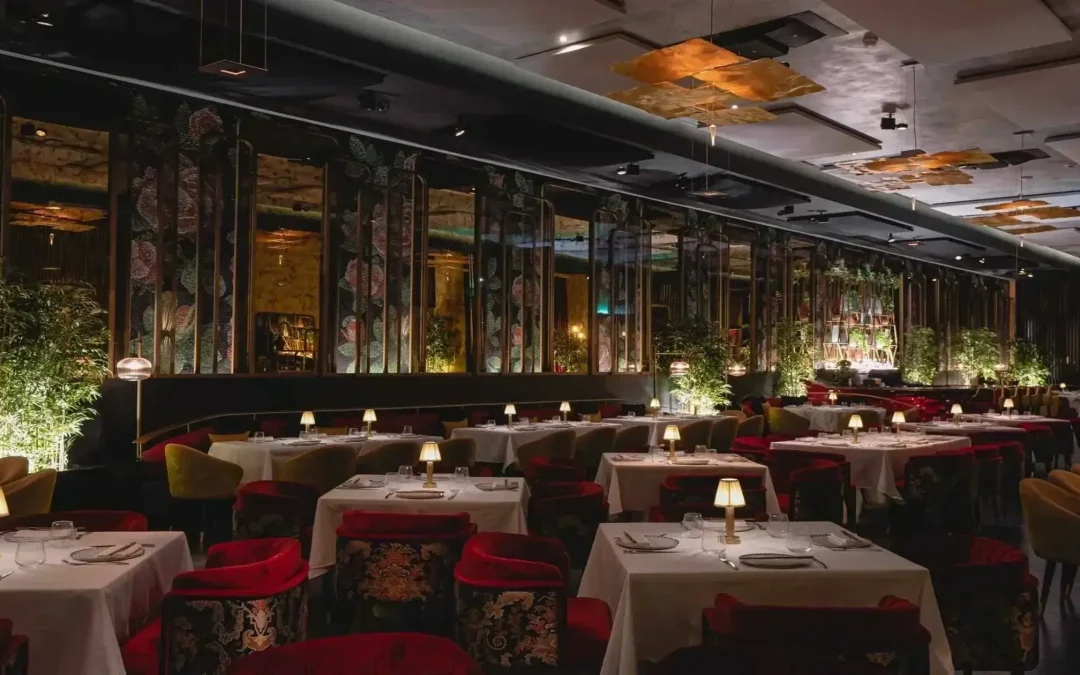
Fine dining Chinese differs from European fine dining in one important respect: the atmosphere is meant to facilitate sharing, conversation, and warmth — not formal ceremony. The Cantonese tradition of yum cha, for example, is built around unhurried communal eating. Toki’s art deco-Shanghai interior, with its warm lighting, curated mocktail bar, and open kitchen, achieves exactly that balance — refined without being cold.
That atmosphere is not incidental. It is part of why Toki works as an elegant dinner spot in Jeddah for occasions that matter: business dinners, celebrations, romantic evenings, and family gatherings alike.
Halal Precision Without Compromise
In Jeddah, fine dining Chinese carries one additional defining criterion: the halal standard must be absolute without sacrificing culinary depth. This is harder than it sounds. Toki’s approach — substituting pork with premium wagyu, beef short rib, and duck; replacing Shaoxing wine with layered marinades built from black vinegar, fermented bean paste, and ginger — does not approximate authenticity. It delivers it.
This is precisely what we explore in the complete guide to fine dining Chinese in Jeddah: how Toki holds both culinary tradition and Islamic dietary principles without making either a compromise.
The Standard, Applied
Fine dining Chinese in Jeddah is defined by the same principles that define it anywhere in the world — mastery, ingredient integrity, purposeful atmosphere, and consistent execution — with the added requirement of halal precision. Toki meets all of them. When you understand what to look for, knowing how to choose an elegant dinner spot in Jeddah becomes considerably more straightforward.