Most people figure out their preference between Cantonese and Szechuan cuisine the same way — by accident. They order something and it either clicks or it does not. Nothing wrong with that. But if you want to walk into Toki with a clear sense of what you are after, it helps to understand what each tradition actually asks of you as a diner.
This is not about one style being better. It is about knowing which experience fits the occasion — and then building a table around that.
Start With What You Want to Feel
The better question to ask before choosing is not “what do I like?” but “what do I want from this meal?” The two traditions are built to produce very different dining experiences.
Cantonese food is calm and cumulative. Clean flavours build on each other. The meal moves at an unhurried pace — a steamed dish here, a delicate dumpling there, tea between courses. You finish feeling satisfied but light. It is the kind of cooking that rewards attention and works well for long, conversational dinners. If you are hosting a business dinner or a celebratory meal where the setting matters as much as the food, a Cantonese-led table at Toki is the right call. The guide to choosing an elegant dinner spot in Jeddah explains exactly why that matters for occasion-based dining.
Szechuan food is dynamic and immediate. Flavours arrive in waves. The málà sensation from Szechuan peppercorn creates a physical response that keeps the palate alert throughout the meal. It is energetic, communal, and best enjoyed when the table leans into it together. For a group of friends working through the menu for the first time, or for diners who want their food to be the event, Szechuan dishes are the natural anchor.
Let the Dishes Decide
If you are still not sure after reading about Cantonese cuisine and Szechuan cuisine separately, use Toki’s menu as a practical test.
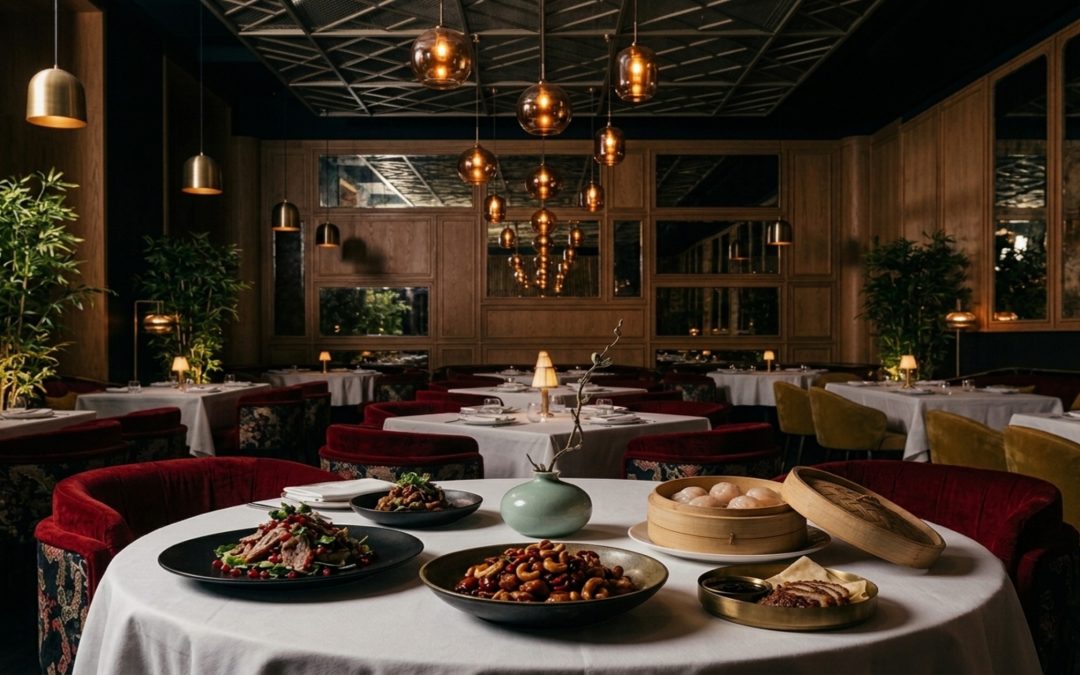
Order the Cantonese Duck Salad and the Kung Pao Chicken side by side. The salad — citrussy sesame dressing, pomegranate, clean and bright — is Cantonese thinking at its most accessible. The Kung Pao Chicken — dried chili, cashew, black vinegar, building heat — is Szechuan at its most direct. Notice which one your table keeps going back to. That is your answer.
For those who find the choice hard, the good news is that Chinese dining, by design, does not make you pick one. The communal format — shared dishes, varied textures, contrasting temperatures — means Cantonese and Szechuan dishes belong on the same table. Start with the Crystal Shrimp Har Gao for Cantonese precision, then follow with the Szechuan Crispy Duck for heat and depth. The contrast makes both dishes better.
A Practical Ordering Framework
Lean Cantonese if: you prefer clean, delicate flavours; you are dining for a special occasion; you want seafood at the centre of the meal; or you like your meal to feel light.
Lean Szechuan if: you enjoy bold, layered flavours; heat is something you look for rather than tolerate; or you want a meal that brings energy to the table.
Order both if: you are a group of three or more — which is most of the time.
The full Cantonese vs Szechuan guide at Toki covers how both traditions are represented across every section of the menu. And if this is your first visit to a serious Chinese restaurant in Jeddah, the fine dining Chinese in Jeddah experience guide is the right place to begin.